She Changes the Subject When I Ask Her Out: What It Means and What to Text
If she changes the subject when you ask her out, don't ask again the same day. Send one low-pressure line, then read what happens next: does she offer another day, keep the conversation going, or go quiet? Signs, when to ask again, example texts, and when to let it go.
When she changes the subject after you ask her out, one dodge alone doesn't tell you much. Don't ask again that day. Send one low-pressure line like "No rush, just let me know whenever you're free," keep talking about whatever she brought up, and then watch the next few days: whether she suggests another time, keeps asking you questions, and texts first is what separates "not yet" from "no."
This post is for guys searching things like "she changes the subject," "when a girl changes the subject," or "she didn't say yes or no to a date." If she clearly said she's busy, that's a different situation, covered in she said she's busy, should you text her again. If you're not sure you've talked long enough to ask, start with how long to talk on a dating app before meeting. Here we only cover the in-between: no yes, no no, just a new topic. In today's webtoon, Noah has been chatting with someone on an app for two weeks, and "How about this weekend?" just got dodged for the third time.
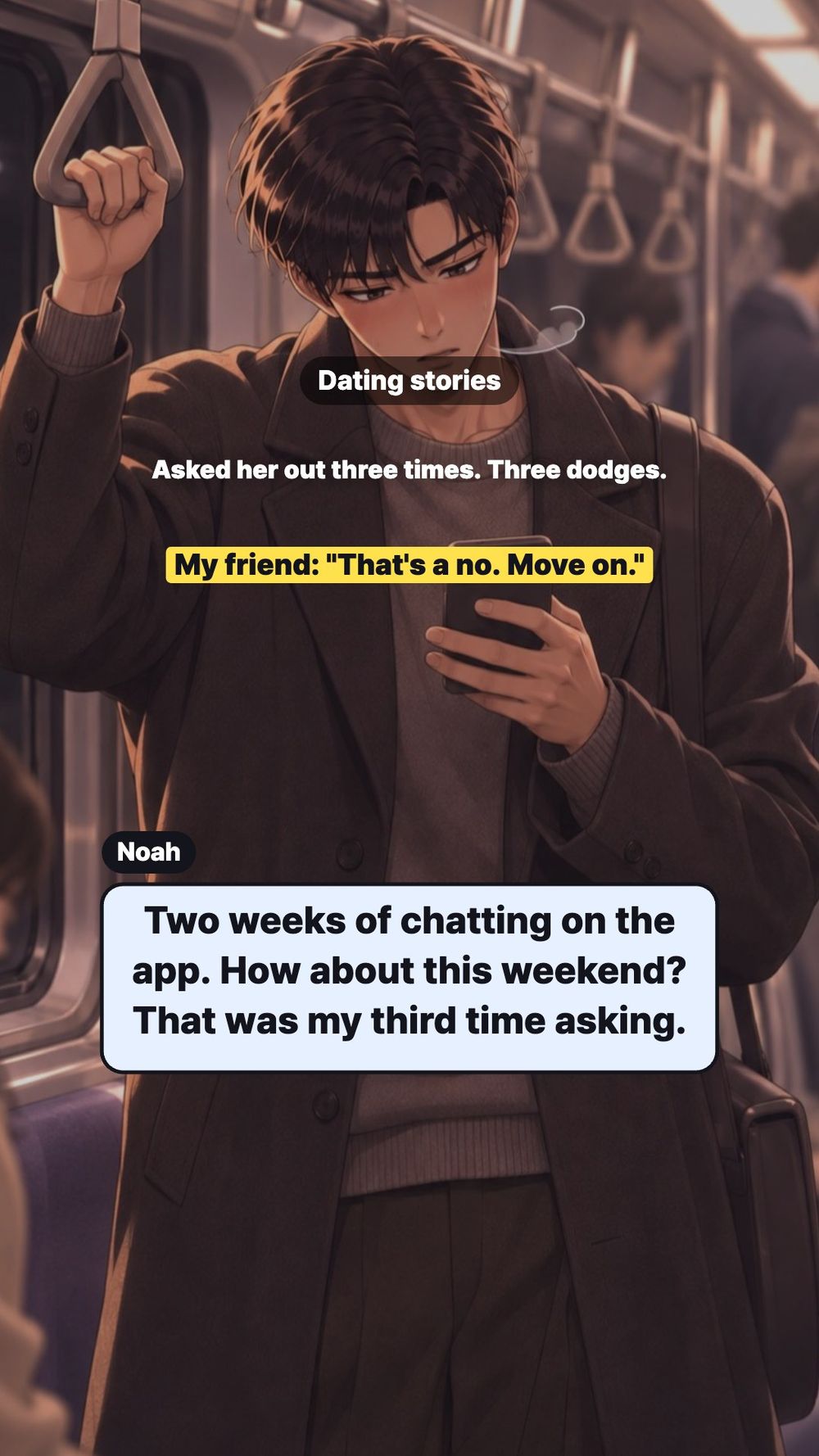
What it usually means when she changes the subject
A single topic change after an invite is more often "I haven't decided" than a hard no. She might not know her schedule, might feel it's a bit early to meet, or might just be more excited about what she was saying. What she does afterward tells you more than the dodge itself.
| What you see | How to read it |
|---|---|
| She dodges the plan but keeps the chat long and asks you questions | Interested, probably just not ready to meet yet |
| She says "next week might be better" | Not a no. Lock that day in |
| She texts you first the next day | She's enjoying the conversation |
| Her replies get noticeably shorter and slower after the invite | She may feel pressured. Step back |
| Three or more dodges with no other day offered and no questions back | Safer to assume she doesn't want to meet right now |
Don't decide from one signal. Whether the conversation cooled off after the dodge matters more than how many times it happened.
Don't push the same day: one line that hands her the ball
Following up with "So, the weekend?" or "Is something wrong?" forces her to answer yes or no on the spot, which is exactly what someone who hasn't decided wants to avoid.
- Send: "No rush, just let me know whenever you're free."
- Then: Pick up the topic she changed to and keep talking normally. No sulking, no checking in.
- Avoid: Asking twice in one day, "Guess you're busy," or repeating your friend's theory to her.
There's a well-known persuasion trick: add "but you are free to say no" to a request and people agree more often. A 2023 pre-registered meta-analysis pulled together 52 experiments (about 19,500 people) and found a medium overall effect (g = 0.44). But when the researchers looked only at the seven studies with low risk of bias, the effect basically disappeared (g = 0.11, with a confidence interval that includes zero). (Fillon et al., 2023) Most of those studies were strangers making small requests, not dates. So treat "no rush" as a way to show you're not pressuring her, not as a line that changes her answer.
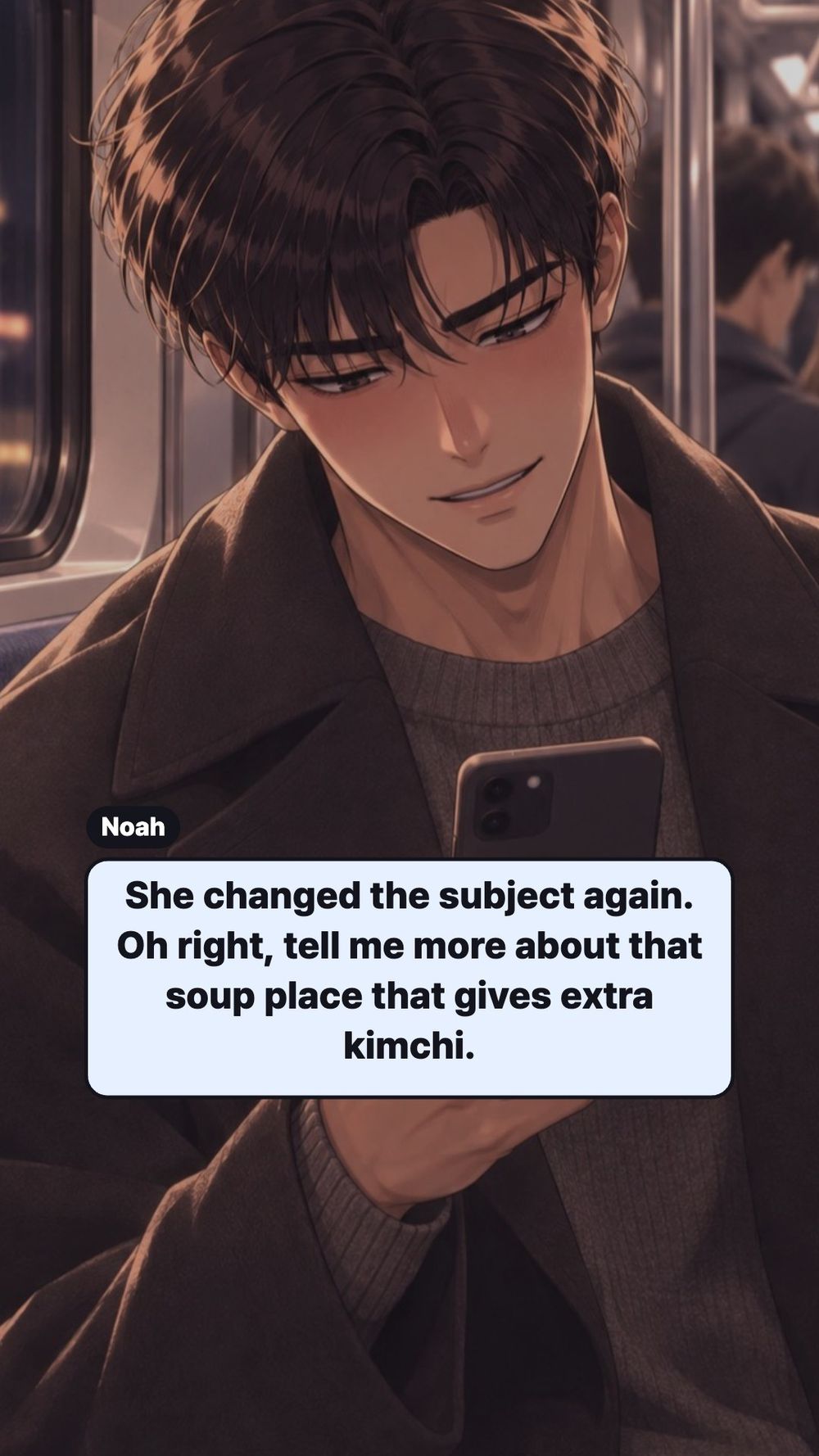
When to ask again, and texts that make it easy
Wait at least a few days, and ask again when the conversation is going well. This time skip the vague "sometime this weekend" and give one day plus a place tied to something she said.
| Situation | What to text |
|---|---|
| She talked about a food or spot she loves | "You've made me want to try that place. Saturday lunch?" |
| She mentioned a busy stretch | "Let's grab a coffee once things calm down. Tell me a day that works then." |
| You've been talking for two or three weeks | "I like talking to you. Pretty sure it'd be even better in person. Free one evening next week?" |
| She brings up a day herself | "Perfect, let's do that. What time works?" (confirm right away) |
| Don't send | "Why do you keep avoiding this?", "Is it me?", a third invite in one day |
For more on wording the invite itself, see how to ask her out over text.

Signs it's a real no, and how to close it
- Three or more dodges, never another day offered, never a question back
- Replies turn into one-word answers
- She stops texting first
- The same open-ended excuse with no time frame ("things are just crazy")
If several of these line up, close it kindly and briefly: "I've enjoyed talking. If you're ever up for that coffee, just let me know." It's easy to read and leaves the door open without pressure.

Noah's friend told him, "That's a no. Move on." He didn't push. He sent one line, "Tell me whenever you're ready, I'm in no rush," and then got three days of silence.
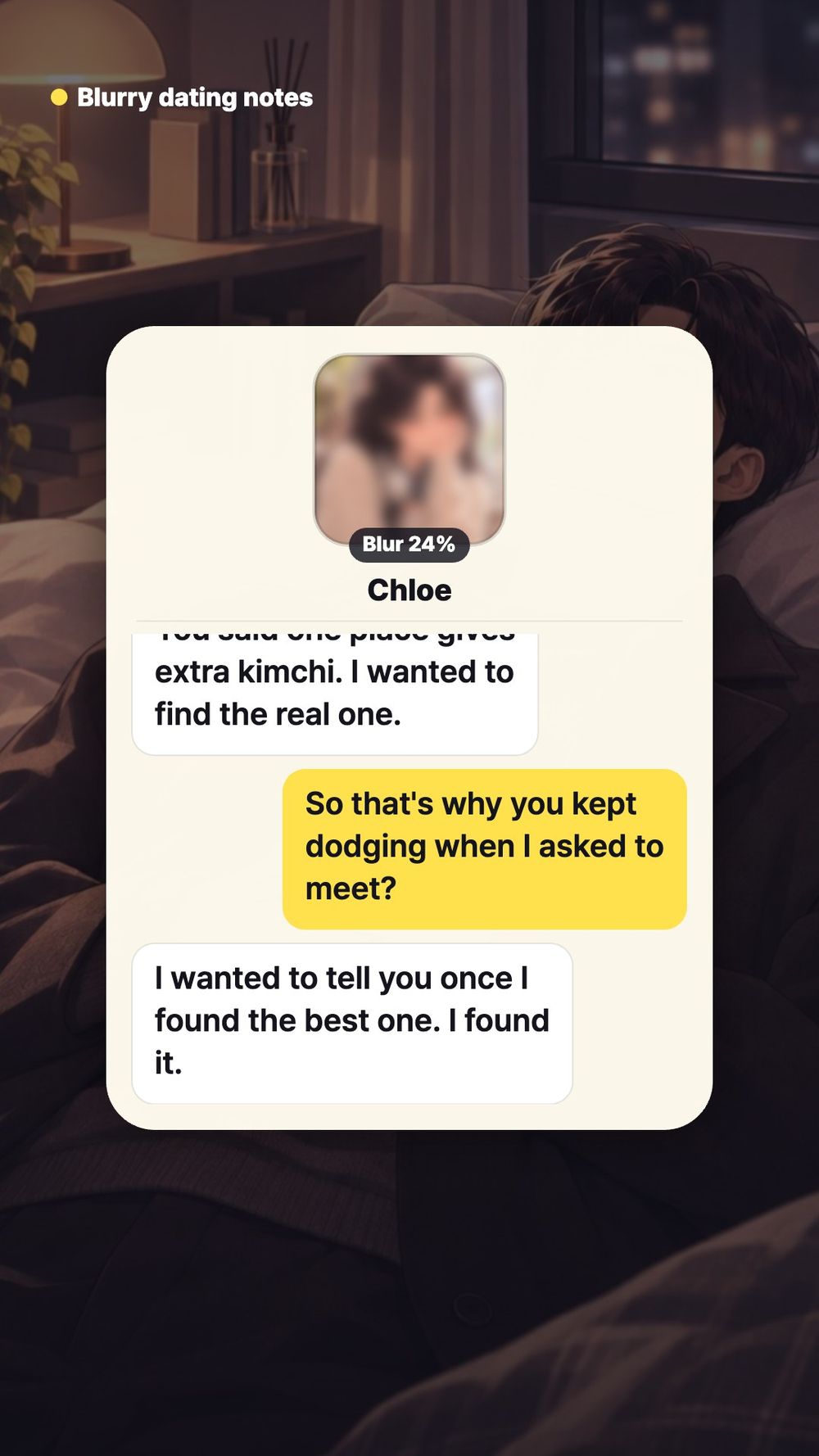
Her reply: "Sorry for the wait. I tried three soup places in three days." She'd been putting off an answer because she wanted to find the place he'd mentioned first. It won't always end like this, but because he waited instead of pushing, the conversation was still alive when she was ready.
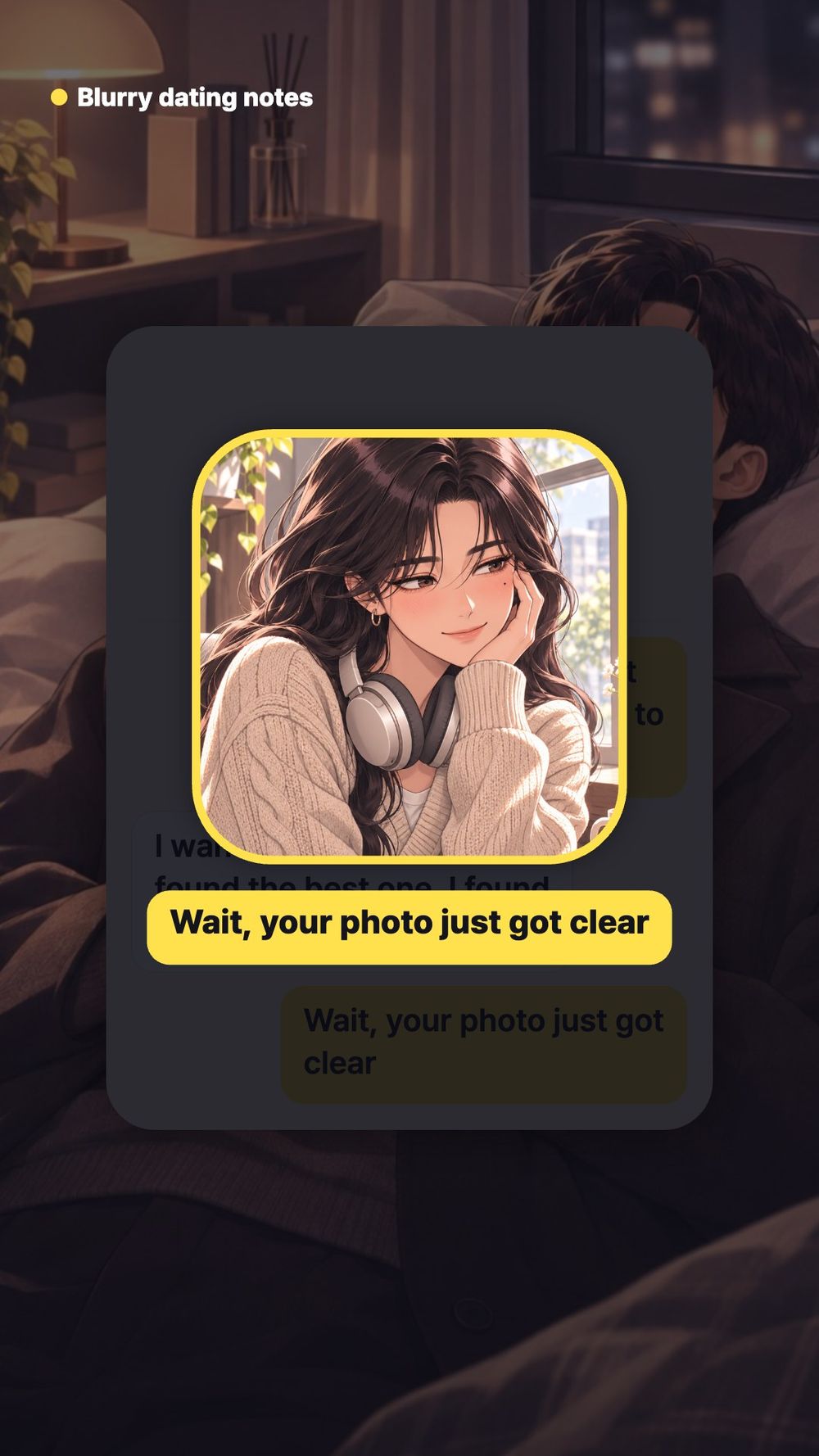
Watch the short
We turned today's story into a webtoon short.
FAQ
How many times should you ask a girl out before giving up?
There's no fixed number, but if three invites pass with no other day offered and no questions back, let her bring it up next.
What does it mean when a girl keeps saying maybe?
On its own, not much. If the chat stays warm, it's likely "not yet." If the maybes repeat and her replies cool off, treat it as a no.
She didn't say yes or no to a date. Should I text again?
Not that day. Come back a day or two later with normal conversation, not the invite.
Should I ask her why she keeps changing the subject?
No. It puts her on the spot. Watch what she does instead of asking for an explanation.
Quick note since this is the Blurry blog: Blurry is a dating app where profile photos start blurred and get clearer as you talk, so the conversation builds first and meeting up tends to come up when you're both ready. → Blurry
Sources
- Fillon, A., Souchet, L., Pascual, A., & Girandola, F. (2023). The effectiveness of the "But-you-are-free" technique: Meta-analysis and re-examination of the technique. Meta-Psychology, 7. doi.org/10.15626/MP.2020.2640